
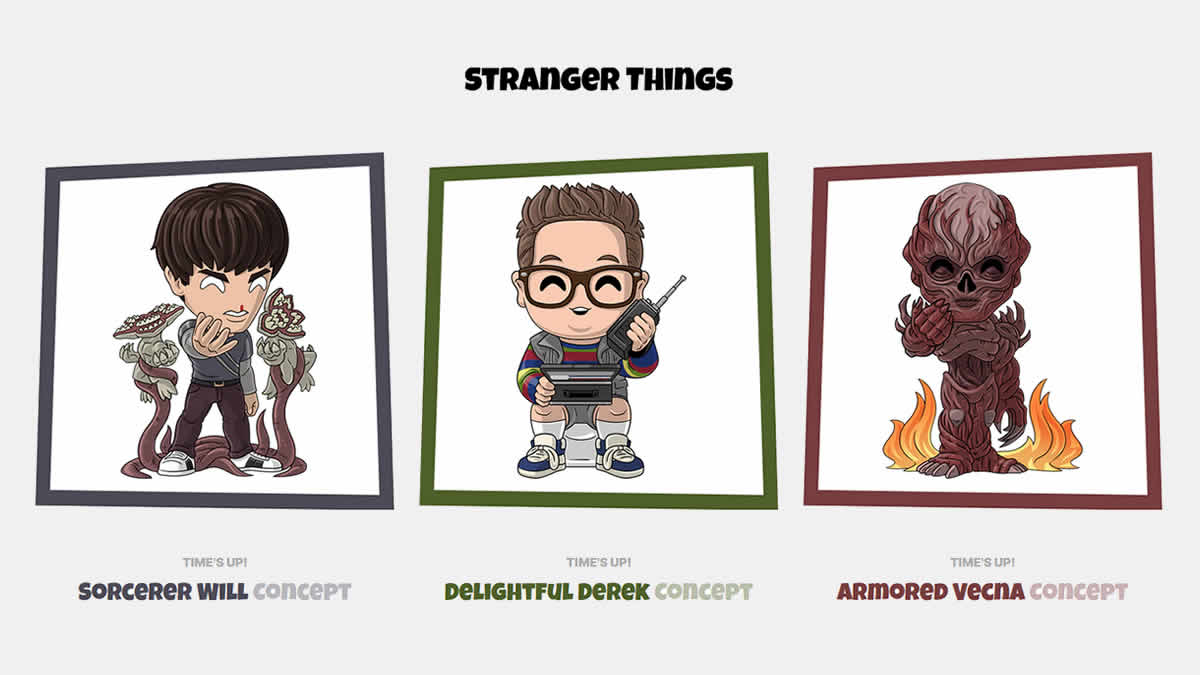
As gaming, pop culture, and internet fandoms continue to evolve, the world of collectibles has expanded in exciting ways. From nostalgic items to innovative new releases, these collectibles go beyond mere memorabilia – they represent passion, community, and fandom. Among the most popular are Stranger Things collectibles, which capture the show’s iconic characters and moments, appealing to both casual fans and dedicated collectors.
This article explores the evolution of pop culture and gaming collectibles, highlights popular merchandise like Stranger Things items, and examines their role in building connections within fan communities while offering potential investment opportunities for savvy collectors.
The Evolution Of Gaming Collectibles
The journey of gaming collectibles began in the early days of gaming, where limited edition cartridges and vinyl figures started to capture the attention of dedicated players. What once was a simple hobby has transcended into a vast market with an ever-growing catalog of items. In the 1980s and 1990s, collectibles were often just physical game memorabilia, think posters, strategy guides, and trading cards. With the rise of the internet in the 2000s, the collectibles landscape shifted dramatically.
Online platforms like eBay created marketplaces for avid collectors to buy, sell, and trade their prized possessions. This connectivity allowed items that were once restricted to local stores to find homes around the globe. As video game franchises expanded their universes, collectible toys and figures became more common, catering to a wider audience. Modern gaming collectibles now encompass not only physical items but also digital goods like skins and in-game items, reflecting players’ preferences and identities in the gaming environment.
Popular Types Of Gaming Collectibles
Today’s gaming collectors have a diverse array of options to choose from, including:
1. Action Figures and Statues
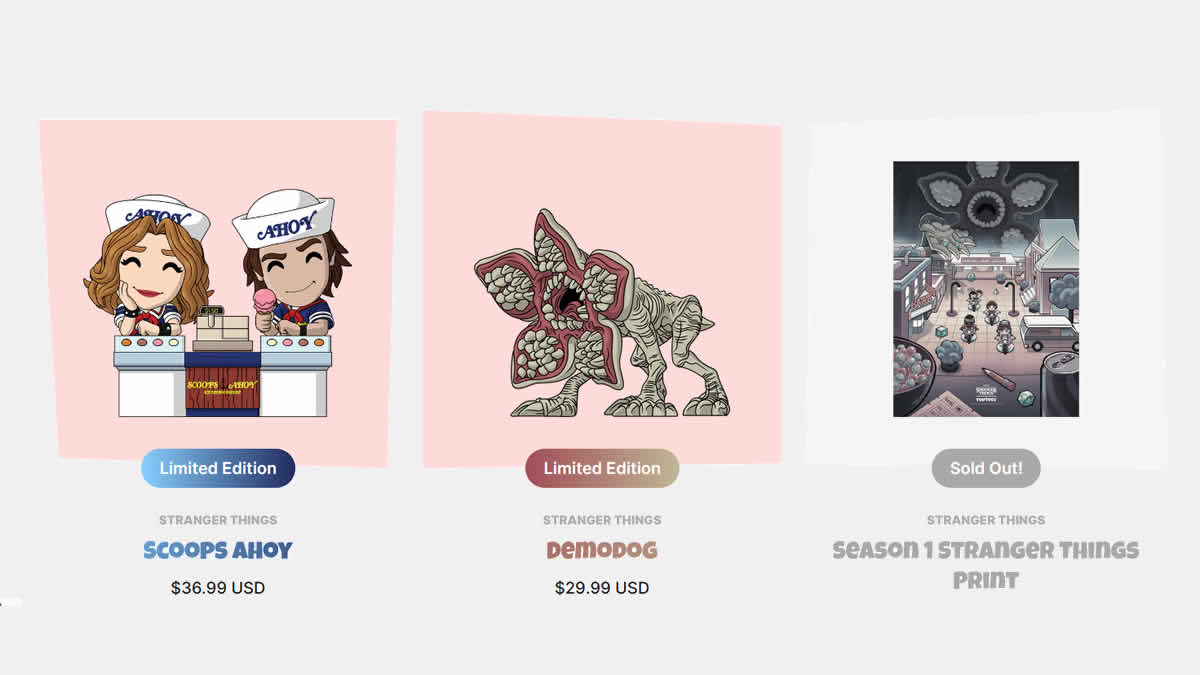
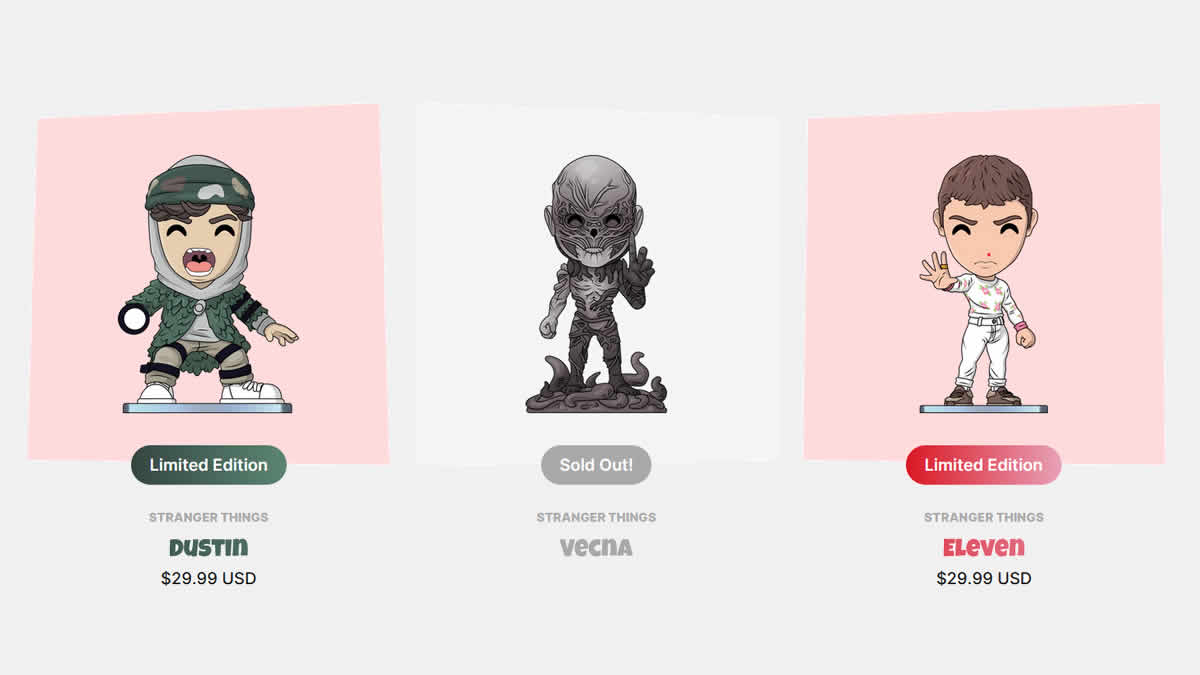
These items, often intricately designed to represent popular characters from beloved franchises, have gained immense popularity. Brands like Funko Pop. have created miniature versions of characters from various games, making them accessible and collectible for fans.
2. Limited Edition Games
Special editions of games often come with extra content, merchandise like art books, and exclusive digital items, appealing to collectors who value unique experiences and memorabilia.
3. Trading Cards
Games like “Magic: The Gathering” and “Pokémon” have shown the enduring popularity of trading card games. Limited release cards can become incredibly valuable over time, further motivating collectors.
4. In-Game Collectibles
Digital items like skins, avatars, and emotes are integral to modern gaming. Platforms like Steam or in-game marketplaces allow players to trade and sell these items, turning what used to be play elements into collectables.
5. Art Prints and Posters
Visual art has always been a significant part of gaming culture. Limited runs of art prints and posters featuring iconic game art or fan-made designs have become popular, with many collectors eager to adorn their spaces with art that resonates with their gaming experiences.
Merchandise In Internet Culture
While gaming collectibles are popular, the broader internet culture also boasts a vast array of merchandise that reflects its diverse communities. This includes:
1. Apparel
T-shirts, hoodies, and hats featuring catchphrases or images from popular memes, streams, or social media platforms have become staple merchandise.
2. Fan Art and Prints
Sites like Etsy and Redbubble empower artists to create custom merchandise that celebrates internet memes, streamers, and gaming moments, further strengthening community ties.
3. Subscription Boxes
Services like Loot Crate deliver curated collectibles to fans on a monthly basis. These boxes often contain exclusive items and themed merchandise, allowing fans to continually engage with their favorite franchises.
4. Digital Merchandise
As the internet continues to integrate deeper into everyday life, digital goods like NFTs and exclusive access to online content have opened new avenues for collectors.
Building A Community Around Collectibles
Collectors often find a sense of belonging within their communities. Online forums, social media groups, and local meet-ups provide platforms for enthusiasts to connect.
1. Online Marketplaces
Websites like eBay, Mercari, and specialized gaming sites help trade and interaction among collectors, making it easy to find specific items or discover new ones.
2. Conventions and Events
Conventions such as PAX or Comic-Con serve as melting pots for fans, offering an opportunity to buy, sell, and showcase their collections while engaging with fellow enthusiasts. These events are vital for fostering community bonds.
3. Social Media
Platforms like Instagram and TikTok allow fans to showcase their collections, share stories about their items, and find others who share their interests, cultivating an active community.
4. Collaboration with Streamers and Influencers
Many gamers engage with collectible brands through their favorite influencers. Exclusive merchandise crafted in partnership with popular streamers often leads to a surge in community excitement.
Why Collectibles Matter For Gamers And Fans
Collectibles resonate with gamers and internet culture enthusiasts for several reasons:
1. Nostalgia
For many, collectibles offer a tangible connection to cherished memories, representing formative experiences tied to iconic games or internet moments.
2. Identity
Collecting allows individuals to express their identities. It can be a way for fans to showcase their fandom, reveal personal tastes, and make connections through shared interests.
3. Investment Potential
Rare collectibles can appreciate significantly in value over time, making them appealing investments. Many collectors see their collections as a financial asset as well as a hobby.
4. Community Engagement
Participating in the collectible market fosters social interaction. Whether through trading, showing off collections, or attending events, collectors often build lasting relationships with others who share their passions.
Future Trends In Gaming And Internet Collectibles
As technology progresses, the future of gaming collectibles promises to be exciting and innovative:
1. Integration of Augmented Reality (AR)
AR technology is becoming increasingly popular, allowing collectors to interact with their items in new ways. Imagine displaying a digital collectible that offers an immersive viewing experience through AR.
2. Blockchain and NFTs
As digital ownership becomes more defined through blockchain technology, NFTs can provide verifiable authenticity for rare items, transforming how collectors engage with digital assets.
3. Increased Customization
The ability to create personalized collectibles will likely grow, empowering fans to craft unique items that resonate with their personal experiences in gaming and internet culture.
4. Sustainability
As awareness around environmental issues rises, more companies will likely focus on producing eco-friendly merchandise, impacting the types and materials used in collectibles.
Conclusion
Collectibles and merchandise dedicated to gaming and internet culture are more than just items: they are symbols of shared experiences, passions, and connections. As technology advances and communities grow, the landscape of collectibles will continue to evolve, offering fans new ways to engage, invest, and express their identities. For businesses focusing on these markets, understanding the dynamics of collecting can translate into profitable opportunities for innovation and connection.